
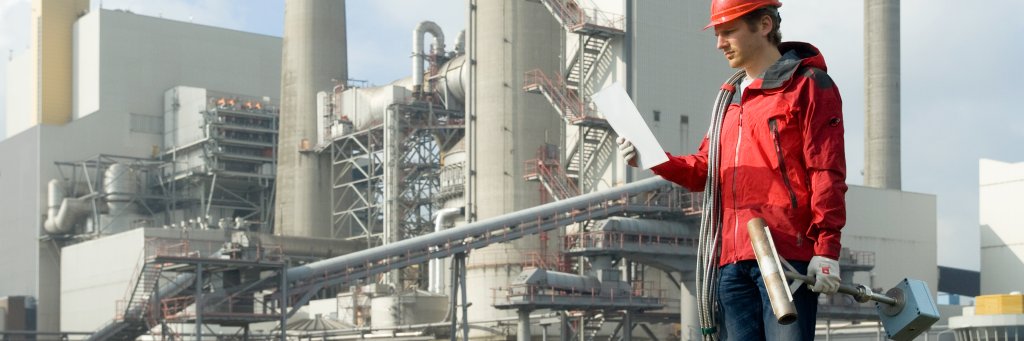

Introduction: Industry as the Engine of Civilization
Industry is the driving force behind human progress. From the first steam engines to today’s interconnected smart factories, industry has shaped the trajectory of modern civilization. It builds cities, powers economies, creates jobs, and fosters innovation. But today’s industrial landscape is far from static. It is undergoing a profound transformation driven by digital disruption, environmental concerns, and shifting global dynamics. The question is no longer how industry will grow—but how it will adapt, evolve, and lead in a future that demands resilience and responsibility.
The Evolution of Industry: From Steel to Silicon
The industrial story is one of remarkable evolution. Each phase in its journey reflects a turning point in humanity’s capacity to produce, innovate, and scale.
The Industrial Ages
-
First Industrial Revolution: Marked by mechanization through water and steam power, it introduced mass production in textile manufacturing and metallurgy.
-
Second Industrial Revolution: Electricity, railroads, and the assembly line ushered in unprecedented efficiency and growth.
-
Third Industrial Revolution: The advent of electronics, computers, and automation in the late 20th century digitized production and gave rise to globalized supply chains.
-
Fourth Industrial Revolution (Industry 4.0): Characterized by artificial intelligence, robotics, the Internet of Things (IoT), and smart manufacturing, this era is defined by connectivity, intelligence, and adaptability.
Each revolution brought not only technological progress but also societal shifts—redefining labor, economics, and our relationship with the material world.
The Pillars of Modern Industry
Today’s industrial ecosystems are multifaceted, spanning numerous sectors and technologies. However, they all rest on a common foundation—efficiency, scalability, and innovation.
Core Elements of Industrial Operations
-
Manufacturing: The heart of industry, involving the transformation of raw materials into finished goods. Includes heavy industry (e.g., steel, chemicals) and light industry (e.g., electronics, consumer goods).
-
Energy Production: Powering industrial processes, from fossil fuels to renewables, energy remains the lifeblood of productivity.
-
Logistics and Supply Chain: Ensuring the movement of goods and materials across vast networks, often global in scale.
-
Technology Integration: Software, automation, and analytics are now inseparable from machinery and production lines.
-
Workforce and Skills: Human expertise remains critical, especially in design, quality control, and advanced problem-solving.
Each component must function cohesively to ensure industrial competitiveness in a fast-paced world.
Industry 4.0: The Digital Transformation
The latest industrial revolution is more than a shift in tools—it is a reimagining of how industries operate. Through digital technologies, businesses are making smarter decisions, achieving greater customization, and minimizing waste.
Key Technologies Driving Industry 4.0
-
Artificial Intelligence and Machine Learning: Used for predictive maintenance, demand forecasting, and quality control.
-
IoT and Smart Sensors: Machines that communicate in real-time, increasing efficiency and detecting issues before failure.
-
Automation and Robotics: From precision assembly to autonomous delivery, robotics reduce human error and improve safety.
-
Digital Twins: Virtual replicas of physical systems used for simulation, testing, and optimization.
-
Cloud Computing: Offers scalability, real-time collaboration, and data accessibility across the enterprise.
These technologies not only enhance productivity but also reshape business models and customer expectations.
Sustainability: A New Industrial Imperative
As climate change and environmental degradation reach critical levels, the industrial sector faces intense scrutiny. Sustainability is no longer an optional consideration—it is a core element of industrial responsibility.
Embracing Green Industry Practices
-
Clean Energy Transition: Shifting from coal and gas to wind, solar, and hydrogen power.
-
Circular Economy Models: Designing processes that reuse, recycle, and reduce materials.
-
Carbon Capture Technologies: Minimizing emissions from traditional industrial processes.
-
Eco-friendly Manufacturing: Reducing water use, energy consumption, and harmful byproducts.
-
Sustainable Sourcing: Ensuring raw materials are extracted ethically and responsibly.
Forward-looking industries are not just reacting to regulations—they are leading the charge toward a greener future, often discovering economic opportunity in the process.
The Human Side of Industry
Despite automation, people remain the heart of industry. From skilled laborers to engineers and designers, human capital drives creativity, precision, and innovation.
Investing in the Workforce
-
Upskilling and Reskilling: As roles evolve, ongoing education becomes vital to staying relevant.
-
Workplace Safety: With advanced equipment comes the need for rigorous safety protocols and training.
-
Equity and Inclusion: Embracing diversity leads to stronger teams and richer innovation.
-
Employee Engagement: Motivated workers translate into better performance, fewer errors, and stronger loyalty.
Industries that value their workforce not only improve operations—they build a resilient and innovative corporate culture.
Globalization and Geopolitical Shifts
The global nature of industry means it is deeply affected by international trade, politics, and regulation. Recent years have tested the resilience of industrial supply chains like never before.
Navigating Global Complexity
-
Supply Chain Disruptions: From pandemics to geopolitical conflicts, agility and diversification are now critical.
-
Reshoring and Nearshoring: Moving production closer to home to mitigate risk and reduce emissions.
-
Trade Regulations: Tariffs, sanctions, and compliance rules require constant adaptation.
-
Emerging Markets: Africa, Southeast Asia, and Latin America are rising as key players in industrial growth.
Strategic foresight is essential in a landscape where change is constant and uncertainty inevitable.
The Future of Industry: Innovation Meets Responsibility
The future of industry lies at the intersection of technology and ethics. It is not enough to be efficient—industries must be sustainable, inclusive, and innovative.
Trends Shaping the Next Era
-
Hyper-Personalization: Customized products at scale through AI and flexible manufacturing.
-
Additive Manufacturing (3D Printing): Transforming production from mass to localized creation.
-
Blockchain for Supply Chains: Enhancing transparency, traceability, and trust in global commerce.
-
Bio-Industrial Design: Using biology to create materials, fuels, and processes with minimal impact.
-
Ethical AI: Ensuring algorithmic decision-making aligns with fairness and accountability.
These trends are redefining not just how industry functions—but what it means to be industrial in the 21st century.
Conclusion: Reimagining Industry with Purpose
Industry is no longer defined solely by machines and materials—it is shaped by vision, values, and velocity. As we face unprecedented challenges and opportunities, the industrial sector must step forward not just as a producer, but as a leader.
A modern industry must be intelligent yet ethical, efficient yet sustainable, competitive yet collaborative. It must harness innovation without losing sight of its responsibility to people and the planet. In doing so, it will not only survive the changes ahead—it will define them.
The next chapter of industry will not be written by legacy alone, but by those bold enough to reimagine its future.