

Introduction: Energy as the Lifeblood of Civilization
Energy is the invisible force that powers every facet of human progress. From lighting our homes and fueling industries to enabling digital connectivity and transportation, energy is the foundation upon which modern civilization rests. Yet, as the world evolves, so too does our relationship with energy. Once defined by abundance and consumption, today’s narrative is increasingly shaped by sustainability, innovation, and equity. Understanding energy in all its dimensions is not just a scientific pursuit—it is a cultural, economic, and moral imperative.
The Many Faces of Energy
Energy comes in various forms, each playing a unique role in society’s development and daily functioning. Whether derived from fossil fuels, renewable resources, or cutting-edge technologies, the types of energy we utilize define the character and consequences of our progress.
Primary Categories of Energy
-
Fossil Fuels: Coal, oil, and natural gas have dominated global energy consumption for over a century. While highly efficient, their environmental costs are significant.
-
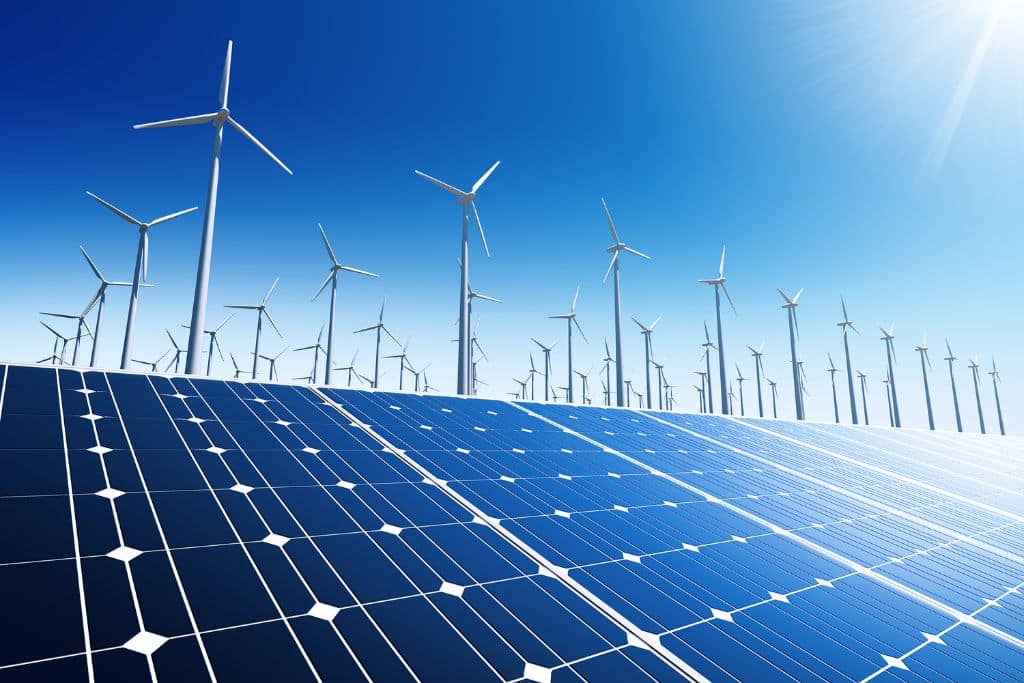
Renewable Energy: Solar, wind, hydro, geothermal, and biomass offer cleaner alternatives, with minimal emissions and sustainable potential.
-
Nuclear Energy: Providing a large output with low carbon emissions, nuclear remains controversial due to safety and waste disposal concerns.
-
Emerging Technologies: Hydrogen fuel cells, tidal energy, and advanced battery storage represent the future frontiers of energy innovation.
Each type of energy has its trade-offs, and the future lies not in a single source, but in a balanced and intelligent energy mix.
The Global Energy Landscape
Energy consumption patterns vary dramatically across regions, influenced by geography, development status, political systems, and economic infrastructure.
Regional Energy Dynamics
-
Developed Nations: Countries like the United States, Japan, and much of Europe are transitioning to cleaner energy, investing heavily in renewables and efficiency.
-
Emerging Economies: Nations such as India, Brazil, and China face the dual challenge of meeting rising energy demands while reducing emissions.
-
Resource-Rich Regions: The Middle East and parts of Africa possess vast fossil fuel reserves, presenting both economic opportunity and environmental responsibility.
As global energy demand rises—expected to increase by 25–30% by 2045—the need for cooperative, forward-thinking energy policy becomes more urgent than ever.
The Environmental Equation
Perhaps the most pressing issue in the energy debate is its environmental impact. Fossil fuel combustion is the leading contributor to greenhouse gas emissions, driving climate change and polluting air and water systems.
Environmental Challenges Linked to Energy
-
Carbon Emissions: CO₂ from energy use accounts for roughly 75% of global greenhouse gas emissions.
-
Air Pollution: Particulate matter from coal and oil is linked to respiratory diseases and premature death.
-
Habitat Disruption: Energy infrastructure can fragment ecosystems and displace wildlife.
-
Water Consumption: Traditional power plants consume large volumes of water for cooling, straining resources in arid regions.
Addressing these challenges requires reimagining energy systems with nature—not just industry—in mind.
The Renewable Revolution
Renewables are no longer niche experiments—they are now central to the world’s energy future. With falling costs, improving technology, and increasing political will, the renewable sector is expanding at unprecedented rates.
Advantages of Renewable Energy
-
Clean and Green: Minimal or zero emissions make renewables the most sustainable choice.
-
Decentralization: Energy can be generated and consumed locally, empowering communities and reducing transmission losses.
-
Resilience: Renewable grids are often more adaptable during crises or natural disasters.
-
Job Creation: The green energy sector is one of the fastest-growing sources of employment worldwide.
Countries like Denmark, Germany, and Costa Rica serve as shining examples of how renewables can be integrated into national energy strategies.
Innovation and Technology: Powering the Future
Technological innovation is the engine driving the energy transition. Smart grids, energy storage, and AI-driven management systems are revolutionizing how we produce, distribute, and consume energy.
Key Innovations Shaping Energy
-
Energy Storage: Batteries and thermal storage help overcome the intermittent nature of solar and wind power.
-
Smart Grids: Digitally enhanced grids enable real-time monitoring, reducing waste and increasing reliability.
-
Green Hydrogen: A clean fuel generated from renewable electricity, hydrogen holds promise for heavy industry and long-distance transport.
-
Carbon Capture: Capturing emissions at the source can mitigate the damage of unavoidable fossil fuel use.
Innovation is not just about efficiency—it’s about redesigning the entire energy value chain for a smarter, cleaner future.
Social and Economic Implications
Energy is not just a technical issue; it’s a human one. Equitable access to energy is essential for social development, education, health, and economic opportunity.
Energy and Human Development
-
Energy Poverty: Over 700 million people still lack access to electricity. Bridging this gap is crucial for global development.
-
Women and Energy: In many regions, lack of access to clean energy forces women and girls into laborious fuel collection, limiting educational and economic opportunities.
-
Job Transition: Moving from fossil fuels to green energy must include retraining and support for displaced workers.
-
Affordability: Energy must be both clean and affordable to be viable for widespread adoption.
An equitable energy future is one that ensures sustainability without sacrificing human dignity and opportunity.
Policy, Investment, and Global Cooperation
Governments and global institutions play a pivotal role in shaping energy futures. Thoughtful policy frameworks and international cooperation can accelerate innovation and adoption.
Policy Levers for Change
-
Subsidy Reform: Redirecting subsidies from fossil fuels to renewables can shift market dynamics.
-
Carbon Pricing: Putting a price on emissions encourages efficiency and investment in clean technologies.
-
Public-Private Partnerships: Collaboration between sectors can drive large-scale infrastructure and innovation projects.
-
Global Agreements: Initiatives like the Paris Agreement align international action toward emission reduction targets.
Sustainable energy transitions are possible—but they require vision, investment, and relentless political will.
Conclusion: Energizing a New Era
Energy is at the heart of the 21st-century story—a story of crisis, innovation, resilience, and transformation. As we stand on the brink of climate tipping points and technological breakthroughs, the way we understand and harness energy will define the legacy we leave behind.
The challenge is immense, but so is the opportunity. A cleaner, smarter, and more equitable energy future is within reach. It calls for courage, collaboration, and a renewed respect for both the power we wield and the planet we depend on. By rethinking energy not just as a commodity but as a shared responsibility, we empower ourselves to light the way forward—for generations to come.